Families rarely budget for a chipped tooth on the playground or a toddler who starts grinding teeth at night. Yet pediatric oral care is not optional, and cost can be the barrier that delays a needed visit. After years working with parents across income levels, I have seen one theme repeat: price clarity and flexible payment options make the difference between routine pediatric dental care and avoidable emergencies. Membership plans and targeted discounts, when designed well, take the guesswork out of pediatric dentistry and keep kids on a healthy schedule.
This guide explains how membership plans work in a pediatric dental clinic, where discounts truly help, and what to ask when evaluating an affordable pediatric dentist. I will share examples from practice and walk through realistic scenarios for infants, toddlers, and teens. The aim is practical: help you compare options, anticipate costs, and make confident decisions.
What drives cost in pediatric dentistry
Several factors affect the price you see at a pediatric dental office. Understanding them helps you spot value, not just the lowest sticker price.
Training and scope of care matter. A board certified pediatric dentist completes a dental degree plus an additional two to three years in pediatric dentistry, including training in behavior guidance, growth and development, pediatric dental sedation, and care for children with special needs. That expertise often saves money in the long run because pediatric dental specialists prevent complications, place restorations that last longer in primary teeth, and know when to refer to a pediatric dental surgeon. A gentle pediatric dentist also reduces the likelihood of anxiety-driven avoidance that can lead to more costly care later.
Appointment time and staff ratio raise quality and cost. A pediatric dental practice typically books longer visits for the first pediatric dental exam and for very young patients. You will see two to three staff members per chair in a well-run pediatric dental clinic: a hygienist or assistant, a pediatric dental doctor, and sometimes a behavior coach or sedation team for children who need extra support. That means more hands for prevention, better instruction for brushing and diet, and faster interventions.
Materials and technology differ. Stainless steel crowns, zirconia crowns for esthetics, laser dentistry for soft tissue, silver diamine fluoride for arresting decay, digital radiography with low-dose sensors, and nitrous oxide systems add up. The right tool for the job can prevent a second appointment, which lowers total expense.
Your child’s risk profile sets the cadence. A low-risk child might need a pediatric dental checkup and pediatric dental cleaning every six months. A high-risk child, for example one with early childhood caries, mouth breathing, special needs, or orthodontic appliances, benefits from three to four fluoride applications per year and more frequent pediatric dental sealants monitoring. That extra prevention costs a little now, but usually prevents larger bills for pediatric cavity treatment or pediatric tooth extraction.
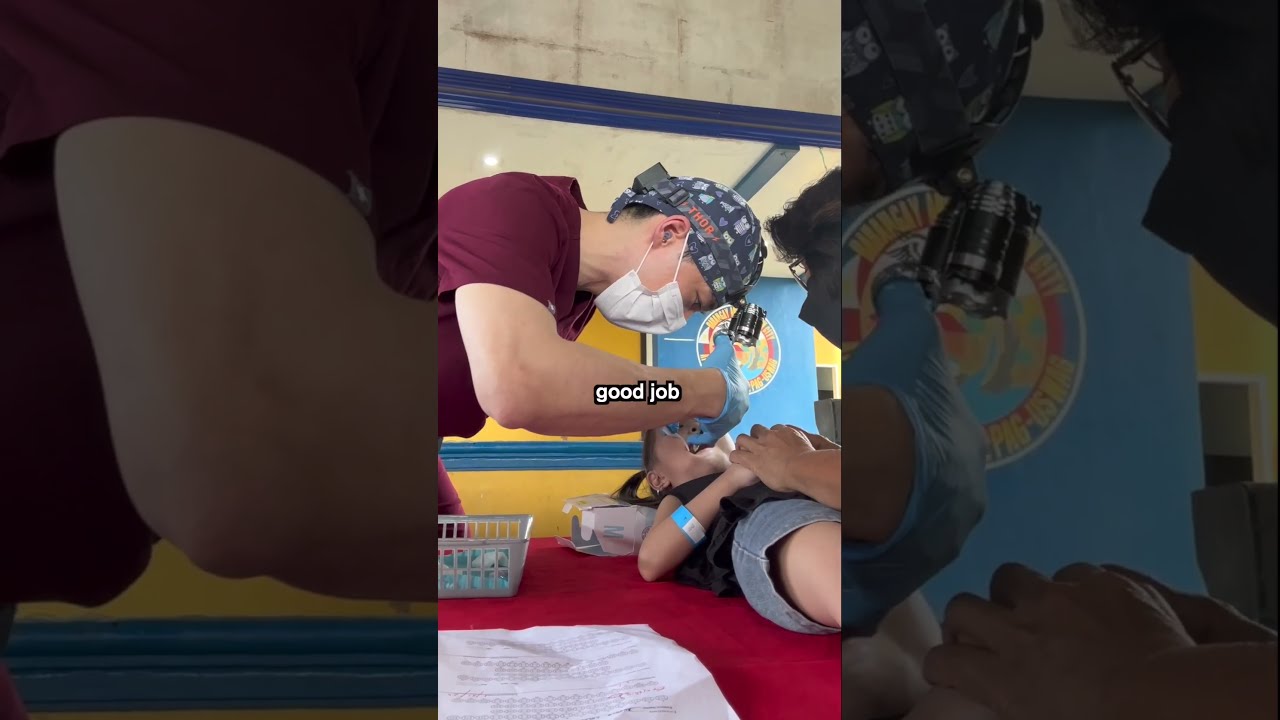
When I lay out the economics with parents, I focus on total care cost over a one to two year horizon, not single visit prices. Membership plans align with that perspective.
How membership plans work for kids
Dental membership plans are in-house programs run by a pediatric dental practice. They are not insurance. Think of them as a subscription that bundles preventive care with discounts on pediatric dental services. Most plans cover a baseline of pediatric dental exams, cleanings, and X-rays, which are the foundation of pediatric oral care. Then they provide a flat percentage discount on additional treatments like pediatric dental fillings or pediatric fluoride treatment.
An effective membership plan for a childrens dentist should meet four tests.
First, predictable fees. Parents should know the annual fee and exactly what it buys: number of visits, bitewing radiographs when age-appropriate, emergency evaluations, and whether there is a waiting period. For young children who cannot yet cooperate for radiographs, the plan should note how those are handled later without penalty.
Second, strong preventive focus. Plans that include two exams, two cleanings, two to four fluoride applications, caries risk assessment, and sealant discounts save the most. Prevention is where a kids dentist can bend the cost curve.
Third, fair discounts on restorative care. A common structure provides 20 to 30 percent off standard fees for pediatric dental treatment, including fillings, crowns, and space maintainers. If IV sedation or general anesthesia is offered, the plan should specify whether any discount applies and whether the anesthesia provider is included or billed separately.

Fourth, flexible family pricing. A family pediatric dentist who treats multiple siblings can offer a lower annual fee for additional children, since some overhead costs are shared.
To illustrate, here is a realistic, composite example based on several pediatric dental practices that offer memberships. Numbers vary by region, but the proportions are consistent.
- Plan fee: 240 to 360 dollars per child per year, with siblings at 200 to 320. Included: two pediatric dental checkups, two pediatric dental cleanings, two to four fluoride applications depending on caries risk, necessary bitewing radiographs after age 4 to 5, and one limited emergency exam at no additional charge. Discounts: 20 percent off pediatric dental fillings, 15 percent off pediatric dental crowns, 10 percent off space maintainers, 20 percent off desensitizing treatments, 25 percent off sealants if not included, and 10 to 15 percent off nitrous oxide fees. Exclusions: laboratory fees for zirconia crowns, anesthesia fees if performed off-site, and orthodontic services.
A plan like this typically pays for itself if your child needs even a modest amount of additional care. A single stainless steel crown and pulpotomy can approach or exceed the membership fee in many markets, so the discount matters. More importantly, it pulls you into a preventive rhythm. When families come in twice a year like clockwork, we catch demineralization early and take conservative steps that keep primary teeth comfortable and functional.
Who benefits most from membership pricing
I have seen parents hesitate when their child has a perfect first visit at age one, wondering whether a membership is worth it. If your child is very low risk and your budget is tight, paying fee-for-service for the first year may be reasonable. That said, membership plans become valuable in several scenarios.
High caries risk. A toddler with early decay, frequent snacking, or fruity drink habits benefits from three-month recall, four fluoride applications per year, and counseling. In that case, the bundled preventive care nearly always costs less than à la carte fees.
Enamel defects or developmental conditions. Children with molar incisor hypomineralization, enamel hypoplasia, or mouth breathing often need desensitizing treatments and protective sealants earlier and more often. The discount on restorative work and nitrous oxide can help.
Orthodontic appliances. Space maintainers, palatal expanders, or braces increase plaque retention. A dentist for children will want to see these patients more frequently and reinforce hygiene. Memberships defray the extra visits.
Dental anxiety. A pediatric dentist for anxiety who uses tell-show-do and nitrous oxide judiciously can transform a fearful child into a cooperative patient. Plans that discount nitrous fees encourage its use when appropriate instead of delaying care.
Large families. Three or more children with staggered recall schedules generate continuous preventive visits. Sibling discounts on the annual fee make a membership the lowest-cost option for predictable pediatric oral health dentist visits.
Insurance versus membership: choosing the right route
If you have robust dental insurance with reasonable pediatric coverage, a membership plan may not be necessary. But many families carry plans with low annual maximums and waiting periods for major services. Understanding the mechanics helps you decide.
Annual maximums and frequency limits are the two big constraints in insurance. A plan might cap benefits at 1,000 dollars per person per year and limit fluoride to twice annually. Yet a high-risk six-year-old might need three or four fluoride applications. Insurance will deny the extra, and you pay out-of-pocket. A membership plan would include those within the annual fee or discount them heavily.
Waiting periods for crowns or extractions can be six months or more. If a five-year-old presents with large caries and pain, waiting is not an option. In-house discounts apply immediately.
Network restrictions matter. If the best pediatric dentist for your child’s needs is out-of-network, your plan’s reimbursement might be modest. A membership through that pediatric dental practice may beat out-of-network costs. Ask the practice to run both scenarios so you can compare cash, membership, and insurance net costs.
Coordination is possible. Many pediatric dental offices allow you to use insurance for covered services and apply member discounts to non-covered items. Clarify whether the plan permits dual use or requires you to choose one pathway.
What to look for in an affordable pediatric dentist
Price transparency is the first signal of a trusted pediatric dentist. Look for a posted fee schedule or a printed estimate that breaks down exam, cleaning, radiographs, fluoride, and sealants separately. Ask how often fees change. In my practice, we updated once a year, with at least 30 days notice to families on membership plans.
Experience across age groups is the next marker. Pediatric dental care varies dramatically between infants, toddlers, and teens. A pediatric dentist for infants should be comfortable with knee-to-knee exams, frenulum assessments, and guidance on feeding habits. A pediatric dentist for toddlers juggles separation anxiety, nap schedules, and minimally invasive techniques such as silver diamine fluoride. A pediatric dentist for teens navigates impacted canines, third molar monitoring, sports mouthguards, and diet choices that shift with independence.
Behavior guidance toolkit matters for affordability. A gentle pediatric dentist with strong behavior management reduces the need for pharmacologic support. When needed, a sedation pediatric dentist should offer a clear pathway: nitrous oxide, oral sedation where appropriate, or coordination with a pediatric dental surgeon or hospital-based anesthesia for complex cases. Transparency about sedation fees prevents surprises.
Access and hours count. Look for pediatric dentist office hours that include early mornings or one late afternoon per week. Families trying to avoid missed work and school need options. A pediatric emergency dentist commitment for same-day pain or trauma visits keeps you out of the emergency department where dental care is limited.
Finally, watch how the team communicates. The best pediatric dental practice will explain findings in plain language and show you radiographs or photographs. They will offer options, not ultimatums. When a space maintainer is recommended, you should hear how it prevents more expensive orthodontic treatments later.
Breaking down common pediatric dental services and typical fees
Regional variation is real, but rough ranges help with planning. These do not substitute for a quote from your pediatric dental clinic. Instead, use them to compare structures.
A comprehensive pediatric dental exam with radiographs for a new patient often falls between 120 and 220 dollars in many suburban markets. A periodic pediatric dental exam without radiographs might be 60 to 100 dollars. Cleanings for children vary by age and calculus level, often 70 to 120 dollars. Fluoride varnish tends to be 25 to 55 dollars per application.
Sealants usually run 35 to 60 dollars per tooth, with molars prioritized. Pediatric dental fillings depend on material and surfaces involved. A small resin filling could be 130 to 200 dollars, while a larger multi-surface restoration might be 200 to 350 dollars. Stainless steel crowns, a mainstay for primary molars with extensive decay, typically range from 250 to 400 dollars. Pulp therapy adds 150 to 250 dollars. Nitrous oxide can be a flat fee between 60 and 120 dollars per visit. These anchors let you evaluate whether a membership discount meaningfully lowers your likely spend.
Parents often ask about pediatric dental sedation. Nitrous oxide is the simplest and safest option for many children, priced per visit. Oral sedation varies by medication and practice policy, and some pediatric dental specialists no longer offer it due to safety and predictability concerns. For extensive treatment needs or significant anxiety, general anesthesia administered by an anesthesiologist in-office or in a hospital may be necessary. Fees here are substantial and billed by time, often in 10 to 15 minute increments. A good pediatric dentist will exhaust behavior methods and minimally invasive options like silver diamine fluoride before recommending deep sedation, particularly for very young children.
Membership structure for different ages
The ideal membership plan is not one-size-fits-all. Children’s oral health needs shift quickly.
Infants and toddlers benefit from brief, frequent touchpoints. A kids oral dentist membership for this age should emphasize three features: unlimited parent consultations within reason, fluoride varnish at three to four month intervals for high-risk toddlers, and education on brushing, diet, and habits. Radiographs are rarely needed before age four unless there is a specific concern, so plans should not overpromise on films that are clinically unnecessary.
School-age children need sealants and coaching. A pediatric preventive dentist will target first permanent molars around ages six to seven and second molars around 11 to 13. A strong membership includes discounted or included sealants, plus caries risk reassessment after six months. Sports mouthguards for kids in contact sports are worth a small member discount as well.
Teenagers present new risks. Orthodontic appliances, energy drinks, and late-night snacking drive white spot lesions and caries. A teen-focused membership tier might cover demineralization treatments and offer discounts on professional whitening once growth ends and if appropriate. The pediatric dental office should include third molar evaluations and coordinate with a pediatric dental surgeon if removal is indicated.
Discounts that actually help
Not all discounts are equal. The ones that move the needle in pediatric dentistry address common, high-value interventions.
A sealant bundle across four to eight molars at a reduced rate prevents occlusal caries, the most common lesion in school-age kids. A practical version is two visits, each covering a set of molars, with a quick recheck included at no additional fee for repairs.
A fluoride package that allows three to four applications per year without nickel-and-diming parents supports remineralization during high-risk periods. Some practices include silver diamine fluoride at a discount as a stopgap measure for very young children who cannot tolerate drilling, buying time until cooperation improves.
Emergency exam inclusion reduces hesitation. A no-fee limited exam for a chipped tooth or trauma check encourages early assessment, which can prevent pulp complications.
Nitrous oxide fee caps help anxious kids. A flat, modest nitrous fee rather than a percentage of treatment keeps costs manageable and encourages its appropriate use.
Family plan stacking is underrated. Small percentage points on each sibling’s membership fee add up over years, especially for a family that stays with one pediatric dental care provider through adolescence.
The role of community resources and public programs
Affordability sometimes requires both practice-level solutions and community support. Many regions have public dental programs for children through Medicaid or CHIP. Coverage varies, but most include exams, cleanings, radiographs, fluoride, and medically necessary restorative care. Not every pediatric dentist near me will be a participating provider, but those who do often maintain dedicated appointment blocks for these patients. If your child qualifies, ask the pediatric dentist clinic whether they accept your plan and how they coordinate care if sedation is needed.
Local dental schools and hospital residency clinics can be a safety valve for complex needs at lower cost. Care is supervised by experienced pediatric dental specialists, and fees are typically reduced. Wait times can be longer, so patients with pain or acute infection should still seek a pediatric emergency dentist first.
Nonprofits occasionally sponsor sealant days or school-based screenings. These programs are valuable for detection and prevention, though they do not replace comprehensive care. If your child receives a referral at one of these events, schedule with a pediatric dentist for kids promptly to avoid progression.
Techniques that protect your budget without cutting corners
Affordability does not mean minimal care. It means right-sized care delivered at the right time, with an eye toward long-term health.
Minimally invasive dentistry changes the calculus. For small lesions, a children dental specialist might use resin infiltration or glass ionomer interim restorations, especially in wiggly toddlers. Silver diamine fluoride can arrest early decay and postpone drilling until a child can cooperate. These approaches reduce the need for sedation and buy time.
Diet counseling pays dividends. A pediatric oral health dentist who takes five minutes to review juice, sticky snacks, and bedtime routines can prevent months of demineralization. I routinely saw plaque scores drop when parents swapped gummy fruit snacks for cheese sticks and nut butters, and restricted sipping on sweet drinks to mealtimes.
Consistency with recall matters. Families who keep six-month cadence see fewer surprises and lower lifetime spend. Membership plans foster that rhythm because the preventive visits are prepaid. If you move or your schedule shifts, ask the pediatric dentist appointment desk to text reminders, sync with school holidays, and plan siblings back-to-back to reduce travel time.
Questions to ask before you enroll
A short, focused conversation saves hassle later. Use this checklist when you talk to a pediatric dental practice about affordability.
- What exactly does the membership include, and what are the exclusions? How are emergency visits and after-hours calls handled under the plan? What percentage discounts apply to fillings, crowns, sealants, and nitrous oxide, and are there dollar caps? Do you coordinate membership discounts with insurance for non-covered services? Are there reduced membership fees for additional children or for patients with special needs who require more frequent preventive care?
Special considerations for children with special needs
A special needs pediatric dentist builds time and predictability into each visit. Longer appointments, desensitization visits, and collaboration with occupational or speech therapists are common. From a cost perspective, this means more preventive visits, not fewer. Membership plans that include additional fluoride, allow for short acclimation visits at no extra charge, and discount nitrous oxide can be a lifeline.
For children on the autism spectrum, visual schedules, noise-canceling headphones, and same-provider continuity improve cooperation. Ask whether the pediatric dental practice can schedule first-of-the-day appointments, which are often quieter and faster. Clarify sedation pathways early. Some children do best under general anesthesia for comprehensive care; others can complete treatment with nitrous after several acclimation sessions. A clear plan avoids repeated partial visits that exhaust the child and the family budget.

A practical cost scenario: toddler to teen
Consider a family with two children. Child A is a three-year-old who snacks frequently and has early demineralization. Child B is a 10-year-old with first molar sealants due and a new appetite for sports drinks.
Without a membership, Child A might have two exams, two cleanings, three fluoride applications, and two small fillings over a year. Depending on local fees, that could range from roughly 500 to 900 dollars. Child B could have two exams, two cleanings, bitewings, four sealants, and one emergency check for a chipped incisor, totaling perhaps 600 to 1,000 dollars.
With a membership priced at 300 dollars per child, including exams, cleanings, two to four fluoride applications, bitewings when indicated, and 25 percent off fillings and sealants, the math shifts. Child A’s fillings New York discounted by 25 percent might save 60 to 120 dollars, and the extra fluoride is covered. Child B’s sealants discounted by 25 percent could save 40 to 100 dollars, and the emergency visit is included. Over twelve months, the family could reasonably save 200 to 400 dollars, and more importantly, both children remain on an optimal schedule.
The savings scale as complexity rises. If Child B later needs a stainless steel crown due to a deep occlusal caries discovered under a sealant, the discount alone might match the annual membership fee. The membership’s purpose is not to cover catastrophic costs, but to make preventive care automatic and soften the peaks when treatment is necessary.
How to evaluate a “pediatric dentist near me” search result
Online searches skew toward marketing copy. A more reliable test is to call the pediatric dental office and listen for specifics. Ask the front desk about the pediatric dentist services offered for each age group. Do they provide pediatric dental cleaning approaches adapted for sensory sensitivities? Are treatment plans staged logically, starting with the most urgent tooth and progressing to less invasive needs? Do they offer a pediatric dentist consultation that includes time for your questions, not just a quick look?
Reputation matters, but look beyond star ratings. Reviews that mention clear explanations, gentle behavior guidance, and timely help in emergencies are the signals of a trusted pediatric dentist. If a practice advertises as the best pediatric dentist or top pediatric dentist, read how they define that claim. Board certification, hospital privileges for special cases, and community involvement carry more weight than slogans.
The bottom line on affordability and quality
Parents should not have to choose between an affordable pediatric dentist and a competent, experienced pediatric dentist. Membership plans and targeted discounts are tools that align incentives. They reward prevention, support timely treatment, and provide budget predictability. Discounts are not a gimmick if they are tied to services that matter for kids: sealants, fluoride, nitrous when needed, emergency checks, and sensible pricing for common restorations.
The most reliable way to lower your long-term dental spend is simple. Start early with a dentist for kids by age one, brush with fluoride toothpaste twice a day, avoid grazing on sweet drinks and sticky snacks, and maintain regular pediatric dental appointments. A well-designed membership plan makes those habits easier to keep. When a pediatric dental practice pairs that plan with skilled behavior guidance and transparent communication, families stay loyal for a reason: their kids are healthy, comfortable, and confident in the dental chair.